
- Tutto
- Technical Insights
- Company News
- Product Applications
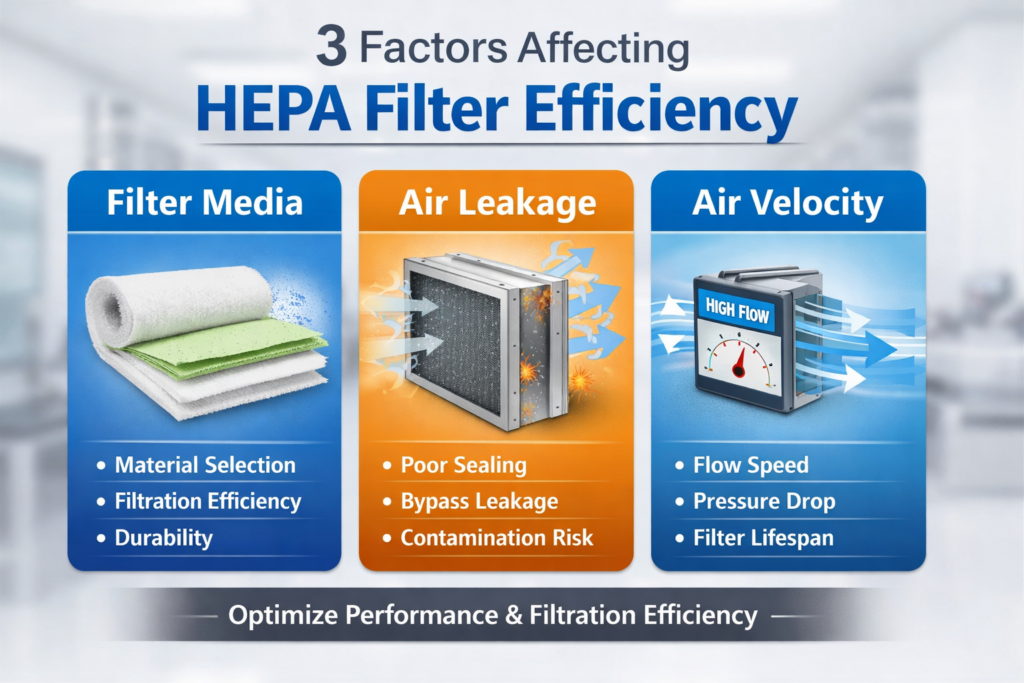
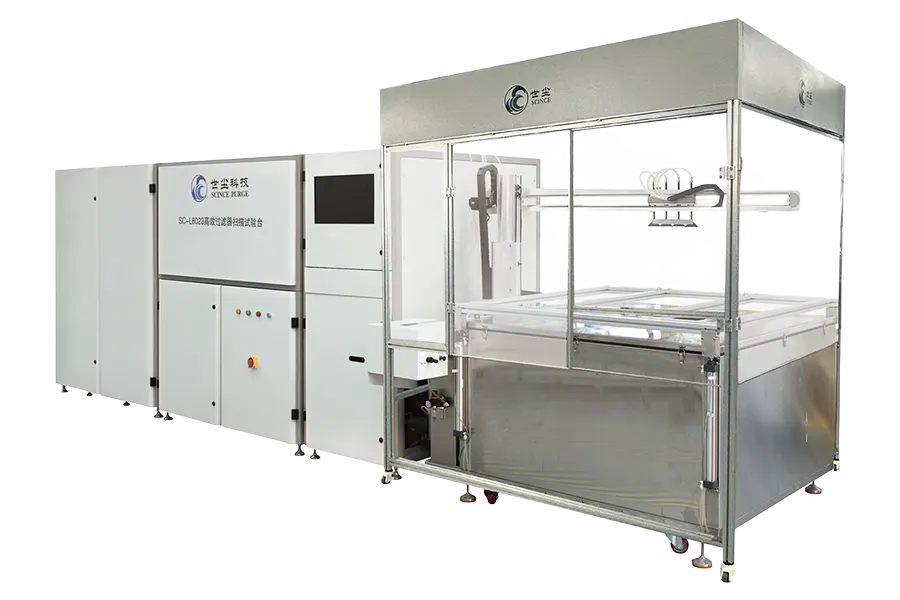
This case study presents a cost-effective HEPA filter testing solution for a manufacturer in Spain. By using the SCPUR SC-L8023 scanning system with a 0.3 contatore di particelle μm, the client achieved reliable leak detection for H13 filters while complying with EN 1822 standards and significantly reducing equipment costs.

HEPA filter leak detection is essential for ensuring cleanroom performance and compliance with industry standards. This article introduces five common leak detection methods, including sodium flame, nebbia d'olio, DOP, fluorescence, and particle counting methods. Among them, the particle counting scanning method has become the most widely used approach due to its high accuracy, real-time detection, and compliance with EN 1822 e ISO 29463 standard. Modern systems such as automatic HEPA filter leak test benches provide reliable and efficient solutions for manufacturers and laboratories.

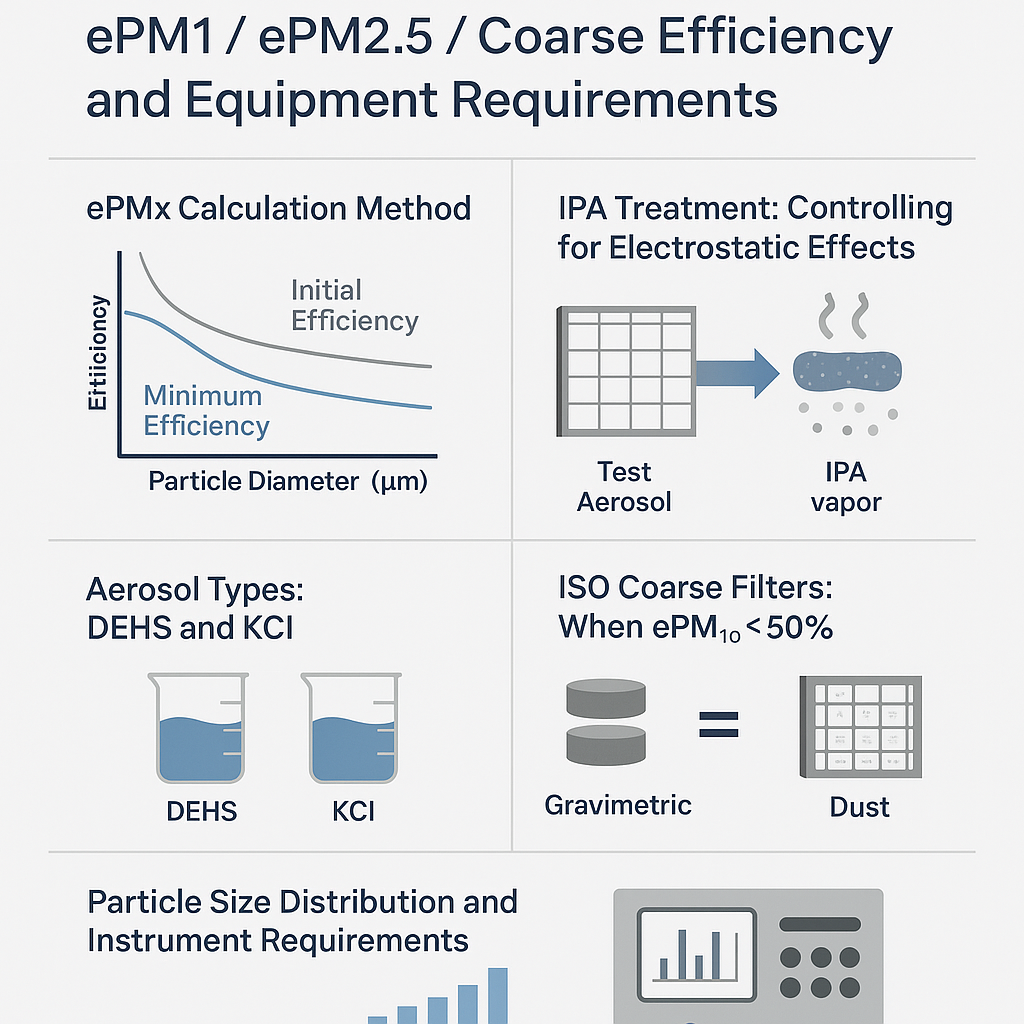
ISO 16890 avvicina i test sui filtri dell'aria alle aspettative prestazionali del mondo reale. Comprendendone la logica di classificazione, procedure di prova, e le esigenze della strumentazione, i produttori possono progettare filtri migliori e gli utenti possono fidarsi maggiormente delle etichette prestazionali su cui fanno affidamento.