उच्च दक्षता फिल्टर का रिसाव का पता लगाना (हेपा/यूएलपीए) क्लीनरूम सत्यापन का एक महत्वपूर्ण हिस्सा है.
जीएमपी मानकों के कार्यान्वयन के साथ, विशेषकर फार्मास्युटिकल उद्योगों में, HEPA फ़िल्टर रिसाव परीक्षण एक अनिवार्य निरीक्षण आवश्यकता बन गया है.
आज, फार्मास्यूटिकल्स जैसे उद्योग, अस्पताल, इलेक्ट्रानिक्स, खाना, और सौंदर्य प्रसाधनों सभी को क्लीनरूम प्रदर्शन सुनिश्चित करने के लिए विश्वसनीय HEPA फ़िल्टर अखंडता परीक्षण की आवश्यकता होती है.
व्यवहार में उपयोग की जाने वाली पाँच सामान्य HEPA फ़िल्टर रिसाव का पता लगाने की विधियाँ नीचे दी गई हैं.
1. सोडियम ज्वाला विधि
सोडियम फ्लेम विधि में सोडियम क्लोराइड का उपयोग किया जाता है (सोडियम क्लोराइड) परीक्षण चुनौती के रूप में एरोसोल.
संपीड़ित हवा का उपयोग करके नमक के घोल का परमाणुकरण करके एरोसोल उत्पन्न किया जाता है. सूखने के बाद, नमक के बारीक कण वायु वाहिनी में प्रवेश कर जाते हैं. हवा के नमूने फिल्टर के ऊपर और नीचे की ओर लिए जाते हैं और हाइड्रोजन लौ में डाले जाते हैं.
सोडियम की उपस्थिति के कारण लौ का रंग और चमक बदल जाती है, जिसका उपयोग कण सांद्रता और फ़िल्टर दक्षता का अनुमान लगाने के लिए किया जाता है.
सीमाएँ:
- कम संवेदनशीलता
- HEPA/ULPA फ़िल्टर के लिए उपयुक्त नहीं है
- आधुनिक परीक्षण प्रणालियों में शायद ही कभी उपयोग किया जाता है
2. तेल धुंध विधि
तेल धुंध विधि तेल एरोसोल का उपयोग करती है (आमतौर पर पैराफिन तेल) लगभग 0.3-0.5 μm के कण आकार के साथ.
फ़िल्टर के प्रदर्शन का मूल्यांकन मैलापन की तुलना करके किया जाता है (अस्पष्टता) फिल्टर के ऊपर और नीचे की ओर हवा की मात्रा.
सीमाएँ:
- फिल्टर को दूषित या क्षतिग्रस्त कर सकता है
- परिणाम सीधे पढ़ने योग्य नहीं हैं
- बहुत समय लगेगा
3. डीओपी विधि (पारंपरिक मानक विधि)
DOP विधि ऐतिहासिक रूप से HEPA फ़िल्टर परीक्षण के लिए सबसे व्यापक रूप से उपयोग की जाने वाली विधियों में से एक रही है.
इसमें डियोक्टाइल थैलेट का उपयोग किया जाता है (डीओपी) एयरोसोल कण जिनका आकार लगभग होता है 0.3 माइक्रोन. डीओपी तरल को गर्म करने से एरोसोल उत्पन्न होता है, वाष्प बनता है जो संघनित होकर महीन बूंदों में बदल जाता है.
फ़िल्टर दक्षता फ़िल्टर से पहले और बाद में एयरोसोल सांद्रता को मापकर निर्धारित की जाती है.
टिप्पणियाँ:
- अब अक्सर सुरक्षित विकल्पों द्वारा प्रतिस्थापित किया जाता है (जैसे, पाओ)
- अभी भी पुराने मानकों और प्रथाओं में संदर्भित है
4. प्रतिदीप्ति विधि
यह विधि एक स्प्रेयर द्वारा उत्पन्न सोडियम फ्लोरेसिन कणों का उपयोग करती है.
फ़िल्टर से पहले और बाद में हवा के नमूने एकत्र किए जाते हैं, और कण पानी में घुल जाते हैं. कण सांद्रता और निस्पंदन दक्षता निर्धारित करने के लिए समाधान की प्रतिदीप्ति तीव्रता को मापा जाता है.
सीमाएँ:
- जटिल प्रक्रिया
- प्रयोगशाला विश्लेषण की आवश्यकता है
- वास्तविक समय में रिसाव का पता लगाने के लिए उपयुक्त नहीं है
5. कण गणना विधि (स्कैनिंग विधि)
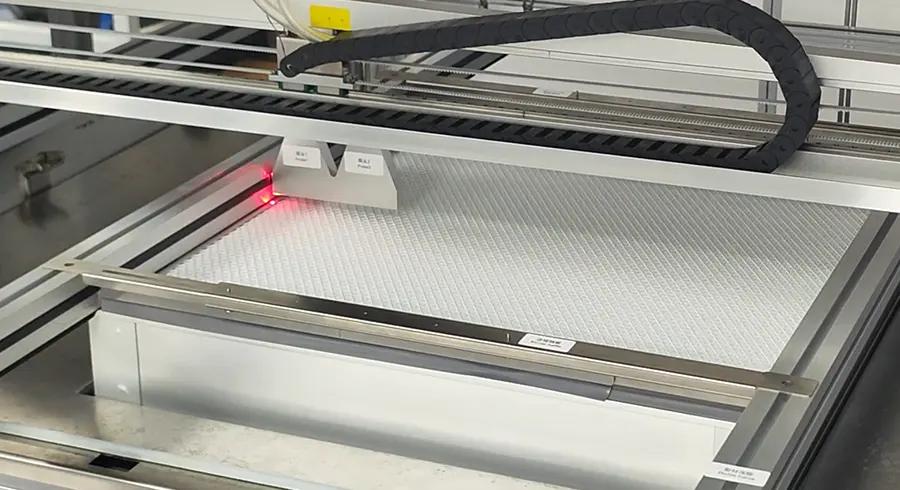
कण गणना पद्धति वर्तमान में है सबसे व्यापक रूप से उपयोग की जाने वाली और अंतरराष्ट्रीय स्तर पर स्वीकृत विधि HEPA फ़िल्टर रिसाव का पता लगाने के लिए.
जैसे मानकों का अनुपालन करता है:
- में 1822
- आईएसओ 29463
यह काम किस प्रकार करता है
- एयरोसोल (जैसे, डीईएचएस या पीएओ) अपस्ट्रीम में पेश किया गया है
- एक कण काउंटर कण एकाग्रता को मापता है
- संपूर्ण फ़िल्टर सतह को बिंदु दर बिंदु स्कैन किया जाता है
- कण सांद्रता अंतर के आधार पर स्थानीय रिसाव का पता लगाया जाता है
लाभ
- उच्च संवेदनशीलता
- वास्तविक समय का पता लगाना
- सटीक रिसाव स्थानीयकरण
- HEPA और ULPA फ़िल्टर के लिए उपयुक्त
अनुशंसित समाधान: स्वचालित HEPA फ़िल्टर स्कैनिंग परीक्षण बेंच
आधुनिक HEPA फ़िल्टर निर्माताओं और क्लीनरूम अनुप्रयोगों के लिए, the कण गिनती स्कैनिंग विधि सबसे विश्वसनीय समाधान है.
जैसे उपकरण SC-L8023 HEPA फ़िल्टर रिसाव परीक्षण बेंच के लिए डिज़ाइन किया गया है:
- पूर्ण फ़िल्टर सतह की स्वचालित स्कैनिंग
- उच्च-संवेदनशीलता रिसाव का पता लगाना
- स्थिर एरोसोल पीढ़ी
- एन का अनुपालन 1822 और आईएसओ 29463
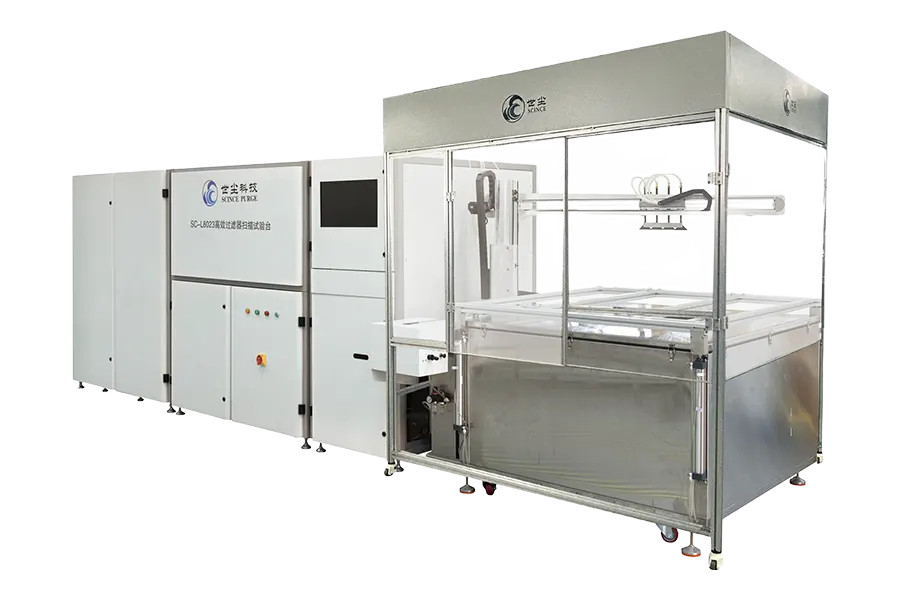
सुसंगत और दोहराए जाने योग्य परीक्षण परिणाम सुनिश्चित करने के लिए सिस्टम एक उच्च परिशुद्धता कण काउंटर और स्कैनिंग तंत्र का उपयोग करता है, इसे उत्पादन लाइनों और गुणवत्ता नियंत्रण प्रयोगशालाओं के लिए आदर्श बनाना.
निष्कर्ष
पांच विधियों में से, पारंपरिक तकनीकें जैसे सोडियम फ्लेम, तेल धुंध, और प्रतिदीप्ति विधियों को धीरे-धीरे प्रतिस्थापित किया जा रहा है.
आज, the कण गिनती स्कैनिंग विधि अपनी सटीकता के कारण उद्योग मानक बन गया है, क्षमता, और अंतरराष्ट्रीय मानकों का अनुपालन.
सख्त गुणवत्ता आवश्यकताओं को पूरा करने का लक्ष्य रखने वाले निर्माताओं के लिए, स्वचालित HEPA फ़िल्टर रिसाव परीक्षण प्रणाली में निवेश करना आवश्यक है.